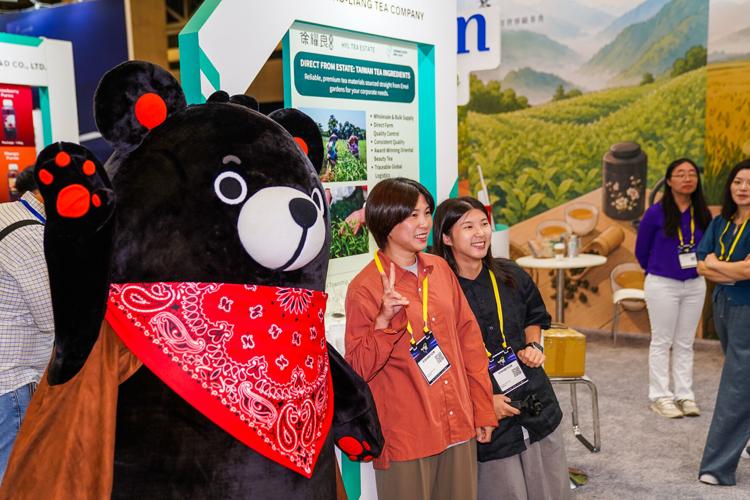


It was three days of cowboy hats and boba tea, circus and cheerleading performances, and a talking robot. But mainly, the Taiwan Expo 2026 was a glimpse into the many opportunities for collaboration and exchange between the U.S. and Taiwan, with particular focus on the Asian country’s growing economic and technological ties with Texas. Think of it as a meeting of the Lone Star State and Taiwan — in the best possible way.
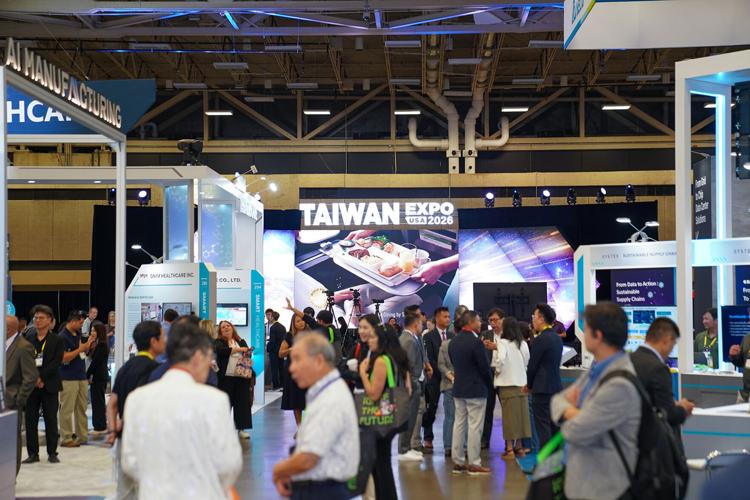
Held Sept. 24 to 26 in Dallas at downtown’s Kay Bailey Hutchinson Convention Center, the much-anticipated annual event featured 155 exhibitors showcasing Taiwan’s strengths in technology, manufacturing, healthcare, energy, consumer products, food, culture and lifestyle. It was an opportunity to see firsthand how Taiwan and Texas make successful business partners. It was also free and open to the public.
“They say everything is bigger in Texas. Texas brings scale. Taiwan brings precision. And when Texas scale meets Taiwan precision, something very powerful happens,” said James C.F. Huang, chairman of the Taiwan External Trade Development Council. “Texas is no longer just a destination on our journey. It’s becoming a major home base for Taiwan’s expansion in the United States.” In the event’s impressive opening ceremonies, he reinforced that Taiwanese companies are investing in advanced manufacturing entities, committing to long-term capital and building facilities throughout the country, but primarily in the second-largest U.S. state.

Under this year’s theme, “Ignite the Future,” the expo was divided into eight zones: intelligent automation, AI manufacturing, urban resilience, future mobility, smart energy, smart healthcare, Taiwan pulse and Taiwan excellence.
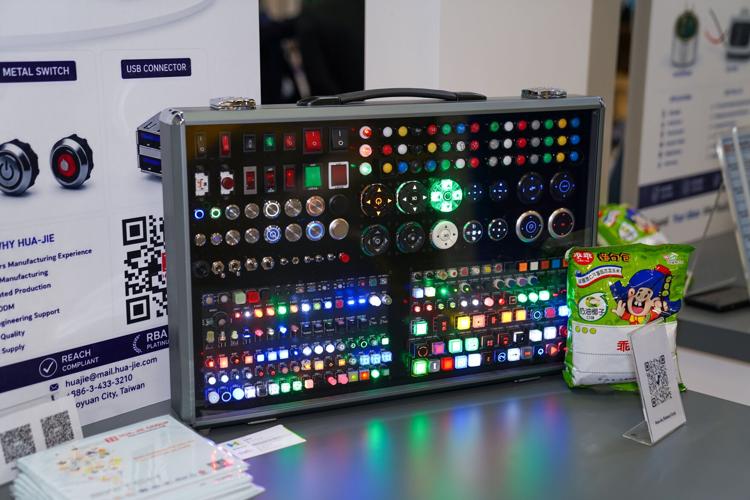
The expo featured side-by-side booths filled with leading tech, industrial and medical suppliers giving U.S. business leaders a chance to shake hands, chat and actually experience Taiwanese companies up close and personal.
JET Optoelectronics highlighted Guardian Halo, a next-generation smart cockpit innovation that eliminates rear-facing child seat blind spots so drivers can monitor their baby in real time. WiSECURE Technologies Corporation presented the world’s first PQC chips and HSMs, delivering a hardware Root of Trust to upgrade next-generation supply chain defense. ASUS displayed its latest collection of Zenbook laptops, such as the breakthrough dual-screen ASUS Zenbook Duo 2026. Representatives from Chatime handed out cold cups of boba tea, while guests could sample SunnyUp’s perfectly airy sponge cakes or Kuai Kuai Co. Ltd.’s delicious coconut milk snack in their areas.

Booths housed companies representing robotics, cybersecurity, energy storage, hospitals, building materials, food and beverages, and so much modern AI that it was nearly mind-blowing. Huang recognized that high tech isn’t enough, though. “No ecosystem can thrive on technology alone. It also needs people, trust and culture. So beyond semiconductors, AI, robotics and advanced manufacturing, we invite you to experience another side of Taiwan: our creativity, our culture and, of course, our food,” he said.
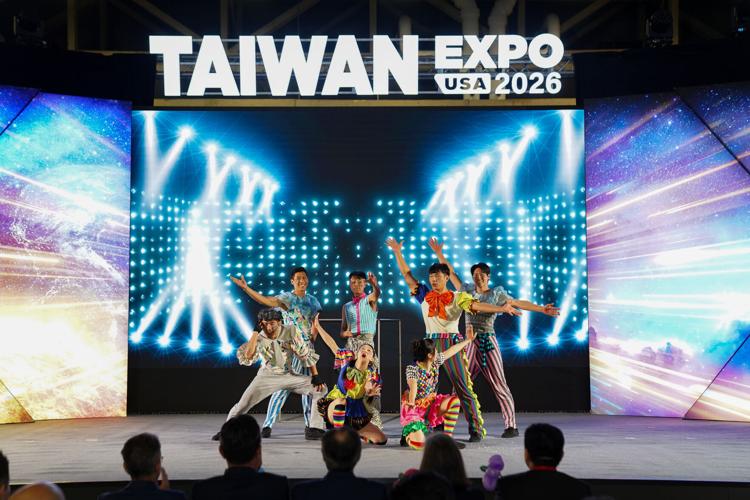
Aside from meeting dozens of Taiwanese leaders, guests were treated to a live performance by FOCASA Circus, named Taiwan’s top performing arts group by the National Culture and Arts Foundation since 2017.

If all this hasn’t enticed you to attend next year, then here are some facts showing that the relationship between the U.S. and Taiwan is here to stay and stronger than ever. Taiwan became the United States’ fourth-largest trading partner in 2025, and Taiwanese companies have committed to more than $10 billion in investments across Texas alone.
In 2025, the U.S. surpassed China as Taiwan’s largest export destination at $198.3 billion, which is 31% of Taiwan’s total exports. Keep your eye on the calendar, so next year you can attend the expo in person and see why it’s an unmissable event.
Visit taiwanexpousa.com for more information.