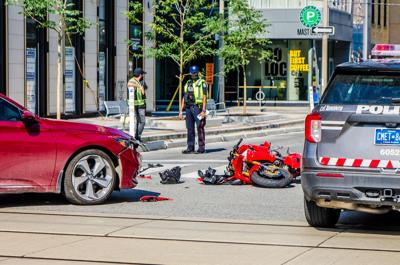


Drivers who act recklessly while behind the wheel put everyone around them at risk. However, reckless driving can be especially dangerous when sharing the road with motorcycles. The same behavior that might cause a minor fender bender between two cars can leave a motorcycle rider with catastrophic injuries.
Motorcyclists do not have the protective structure that surrounds people in passenger vehicles. There is no metal frame, no seat belt, no airbag, and no buffer between the rider and the impact. When a driver acts carelessly or aggressively and collides with a motorcycle, the motorcyclist is the one who will suffer the most severe consequences.
Motorcycles are smaller and narrower than cars and trucks. That makes them harder to see, especially when a driver is distracted, impatient, or does not check carefully before turning or changing lanes. At the same time, motorcycles can be destabilized more easily than larger vehicles. A sudden swerve, a sideswipe, or a close pass can cause a rider to lose control, lay their bike down, or be forced off the road. A motorcycle crash does not need to involve a high-speed impact with another vehicle to cause a motorcyclist to suffer devastating harm.
People are also reading…
Types of Reckless Driving That Can Lead to Motorcycle Accidents
Reckless driving can take many forms. Motorcycle accidents may occur because of:
Speeding
A driver who is traveling too fast will have less time to react to traffic conditions. They will have less control over the vehicle, and more stopping distance will be needed. These issues can be dangerous in any situation, but speeding can become especially hazardous around motorcycles. A speeding driver may rear-end a motorcycle at a stoplight or lose control while approaching a rider in another lane. Higher speeds will also increase the force of impact, which can result in more severe injuries for a motorcyclist.
Distracted Driving
When a driver is texting, using a navigation app, eating, or engaging in other activities, they may fail to see a motorcycle entirely. Because motorcycles are small, they may be overlooked by inattentive drivers. Even a few seconds of distraction can cause a driver to drift into a motorcycle’s lane or turn across the rider’s path.
Unsafe Lane Changes
Many motorcycle crashes happen when drivers change lanes without checking their blind spots or using their mirrors properly. A motorcycle may be beside or just behind the vehicle, but the driver may move over anyway. This can lead to a sideswipe collision that can force a motorcycle off the road or into another vehicle.
Following Too Closely
Tailgating is another common form of reckless driving that puts motorcyclists at risk. When a driver follows closely behind a motorcycle, there may be no time to stop if the rider slows for traffic, debris, road hazards, or a red light. A rear-end crash involving a motorcycle can be much more serious than a rear-end crash between two cars. The rider may be thrown from their bike or crushed between vehicles.
Failure to Yield
Drivers may fail to yield at intersections by turning in front of an oncoming motorcycle. These crashes can happen because of impatience, distractions, or a driver misjudging a motorcycle’s speed or distance. The rider may have no time to avoid a collision, and they can suffer harm when they strike a vehicle.
Aggressive Driving and Road Rage
Some drivers may weave through traffic, pass too closely to a motorcycle, brake suddenly, or intentionally crowd a motorcycle out of a lane. For some drivers, road rage can lead to deliberate attempts at intimidation or unsafe actions directed at a rider. Collisions may occur due to aggressive actions, or a motorcyclist may be forced to take evasive maneuvers that could lead to a crash.
Drunk Driving
When a driver is under the influence of alcohol or drugs, they will experience impairments such as slowed reaction times, poor judgment, reduced awareness, vision problems, and a lack of coordination. They will be even less likely to notice a motorcycle, and they will be more likely to make mistakes that can cause a motorcycle accident.
Serious Injuries Motorcyclists May Suffer in Accidents
Reckless drivers who collide with motorcycles or force them off the road can cause a wide range of serious injuries, including:
- Traumatic Brain Injuries: Even with a helmet, a rider may suffer a concussion or a more serious brain injury. These injuries can affect a person’s memory, concentration, emotional regulation, speech and language processing, long-term cognitive functioning, and much more.
- Spinal Cord and Back Injuries: A violent impact with a vehicle can damage the vertebrae or discs in the spine, which may affect the nerves in the spinal cord. Some riders may experience chronic pain and limited mobility due to spinal cord injuries, while others may face partial or permanent paralysis.
- Broken Bones: Fractures are common in motorcycle accidents, particularly in the arms, legs, ribs, hips, and pelvis. These injuries may require surgery, hardware placement, and lengthy rehabilitation, and some fractures may result in permanent disabilities.
- Road Rash and Soft Tissue Injuries: When a rider impacts the surface of the road, severe abrasions can occur. In serious cases, skin and underlying tissue may be deeply damaged, leading to infections, nerve injuries, or the need for skin grafts.
- Internal Injuries: The impact of a collision may result in internal bleeding and damage to organs such as the lungs, liver, spleen, or kidneys.
- Amputations: Some motorcycle crashes result in crushing injuries, severe limb damage, or other forms of trauma that may require amputations. These injuries can affect every part of a person’s daily life, including their work, mobility, and independence.
Addressing the Effects of Motorcycle Accidents
Many motorcycle accidents happen because drivers engage in reckless behavior. Motorcyclists are placed at risk when other drivers fail to act safely. In these situations, a personal injury attorney can provide guidance to injury victims, helping them determine the steps they can take to obtain compensation and make a full recovery.