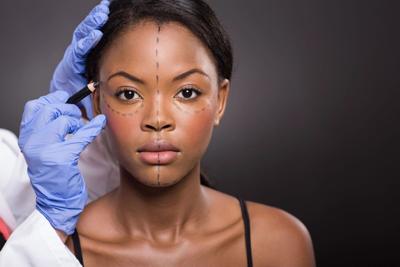


Photo provided by DepositPhotos
For more than a decade, injectable treatments have shaped the public conversation around aesthetic medicine. Quick appointments, minimal downtime, and subtle adjustments made neuromodulators and fillers the headline story in cosmetic care.
Yet beneath that narrative, surgical procedures are quietly gaining ground.
According to annual statistics from the American Society of Plastic Surgeons (ASPS), several cosmetic surgery categories posted year-over-year growth in the most recent reporting cycle. During the same period, some minimally invasive treatments recorded slower gains or modest declines. At the same time, research from Grand View Research projects the global medical aesthetics market will reach tens of billions of dollars annually within the decade.
People are also reading…
The numbers suggest a more complex picture than the injectables-dominated headlines imply.
Surgery by the Numbers
ASPS tracks both surgical and non-surgical cosmetic procedures nationwide. While minimally invasive treatments remain high in overall volume, surgical procedures account for a significant share of total spending because of higher per-procedure costs.
Among the most frequently performed cosmetic surgeries in the United States:
- Breast augmentation
- Liposuction
- Rhinoplasty
- Eyelid surgery
- Facelift
Facelifts have shown measurable gains in recent reporting periods, reflecting renewed interest in procedures designed to reposition deeper facial structures rather than temporarily smooth surface lines.
Americans spend billions of dollars each year on cosmetic surgical procedures alone, according to ASPS data. The broader aesthetic sector has reached record revenue levels in recent years.
The shift is not a collapse of injectables. It is a rebalancing within a market that continues to expand.
From Maintenance to Durability
Injectables are designed for maintenance. Neuromodulators typically require repeat visits every few months. Fillers can last longer, depending on formulation and placement, yet they are still temporary.
Surgical procedures operate on a different timeline. A facelift repositions underlying tissue. Liposuction removes fat cells in treated areas. Breast augmentation involves implant placement or fat transfer intended for long-term results.
For some patients, the comparison extends beyond aesthetics to economics. Surgery demands a higher upfront cost and longer recovery time. Over multiple years, the cumulative cost of repeat injectable treatments can narrow that gap.
ASPS age data shows that younger adults remain a major driver of minimally invasive treatments, while older age groups represent a substantial portion of surgical volume. The market reflects layered demand rather than a single demographic shift.
A Houston Case Study
Large metropolitan markets often mirror national trends, and Houston is no exception. As one of the nation’s largest medical hubs, the area supports significant volumes of both surgical and minimally invasive cosmetic procedures. Surgical offerings such as facelift and tummy tuck surgery reflect continued demand for long-term structural options.
Breast augmentation remains one of the most performed cosmetic surgeries nationally, and Houston clinics report a revived interest in the procedure. Patient education materials comparing implant types and long-term outcomes point to a more research-oriented consumer, one focused on durability rather than trend cycles.
Urban markets like Houston provide a localized lens on what national data already indicates: surgery remains central to the aesthetic economy.
Beauty as Consumer Spending
The aesthetic industry occupies a unique space between healthcare and discretionary spending. Business reporters now track cosmetic procedures alongside travel, home upgrades, and wellness services.
Grand View Research forecasts sustained expansion in medical aesthetics, citing consumer interest in longevity and appearance-related confidence. Rising disposable income in certain segments also contributes to demand.
Economic uncertainty can influence treatment selection. Injectable appointments may feel more flexible in the short term. Surgery requires a larger immediate commitment.
Still, ASPS data shows surgical volumes have remained steady and, in some categories, increased. That resilience suggests a segment of consumers views surgery less as an indulgence and more as long-term planning.
The Cultural Reframe
Cosmetic surgery has long carried cultural baggage, often framed as vanity or impulse. Recent data complicates that narrative.
Patients increasingly approach consultations after researching recovery timelines, procedure comparisons, and maintenance expectations. The decision-making process resembles financial planning, with an emphasis on longevity and predictability.
Injectables remain widely used. Yet surgical procedures appear to be reclaiming share within a growing market, not replacing one category but reshaping the balance between temporary and structural options.
A Broader Industry Signal
With billions of dollars in annual spending and projected growth, the U.S. aesthetic sector is a significant economic force.
ASPS statistics and market research data point to a diversified marketplace where consumers weigh convenience against durability. In cities like Houston, surgical procedures remain integral to that equation.
The headline may still belong to injectables. The underlying numbers tell a more nuanced story: surgery is not fading into the background. It is reasserting its role in an industry built on long-term decisions as much as short-term results.
That recalibration may prove to be one of the defining shifts in the beauty business.