


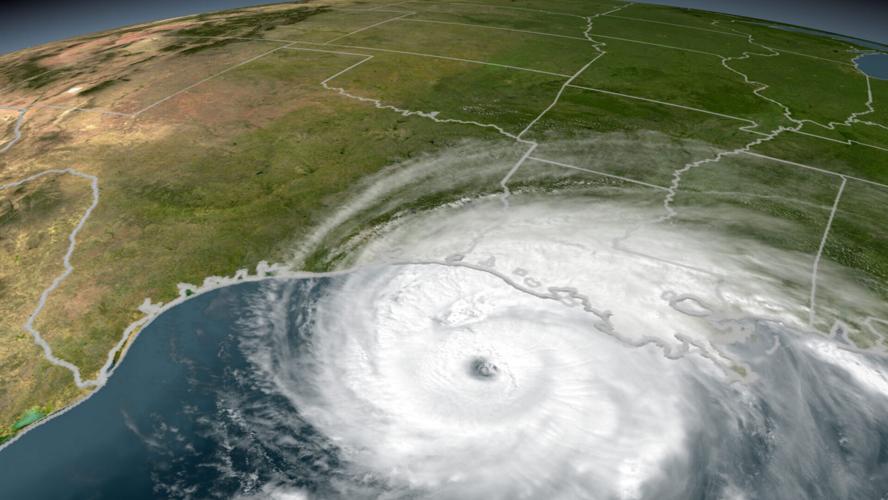
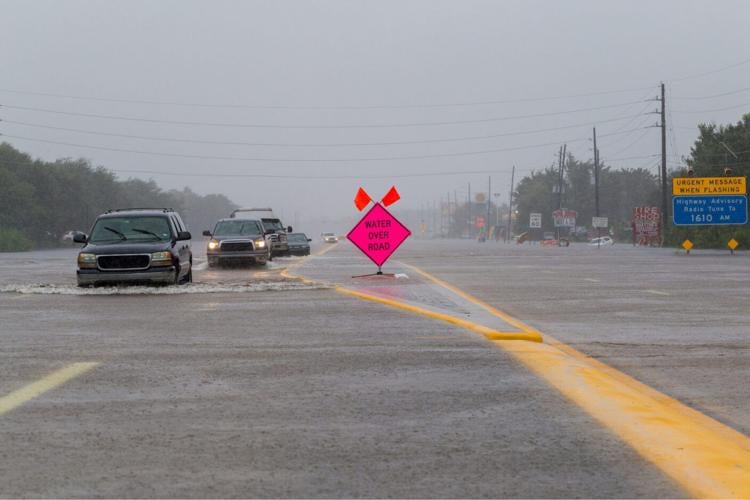
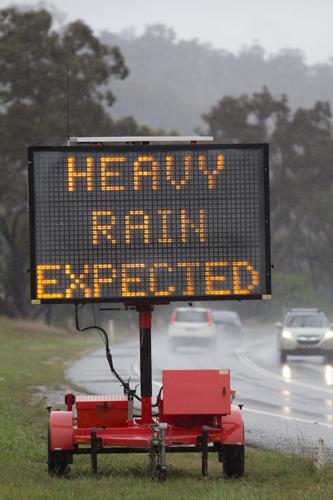
Torrential downpours. Storm surge floods. Thunder and lightning. High winds over 100 miles per hour.
Hurricanes are one of the most devastating natural hazards to affect Texans. Damages cause many disruptions like road closures, power outages and closing of essential facilities like schools and grocery stores.
Some side effects of hurricanes, such as downed branches from high winds, may be inevitable — but severe damage may be avoided. Interdisciplinary teams of researchers, including Texas A&M University College of Engineering faculty, are working to increase community resilience — creating a future where major disruptions from hurricanes are few and far between.
Their goal is to prevent infrastructure collapse and maintain functionality. Experts, like civil and environmental engineering professor Dr. Nasir Gharaibeh, say it’s important to consider how quickly operations can resume, particularly for essential facilities like hospitals, grocery stores and schools.
People are also reading…
“When it comes to roads, bridges and drainage systems, Texas generally has modern and well-maintained infrastructure,” Gharaibeh said. “However, residents should still remain prepared for temporary disruptions during major hurricanes, particularly flood-related road closures and interruptions to essential services.”
Wind, water and debris can have devastating effects on structures like homes, schools and businesses. Building new structures to withstand hurricane damage and retrofitting older buildings to meet modern safety codes can improve a community’s resilience.
New structures should be built with damage prevention in mind, and older buildings can be retrofitted to meet modern safety codes. Dr. Stephanie Paal, an associate professor of civil and environmental engineering, recommends starting with the most vulnerable structures in areas most likely to be affected by hurricanes.
“It’s important to know what kind of structure you live in. Single-family homes built before modern hurricane provisions were added to Texas building codes are more vulnerable,” said Paal. “If you own your home, a licensed engineer can assess your roof and identify affordable retrofit options.”
Implementing small measures — like regular maintenance on homes and purchasing flood insurance — can help protect Texans from long-term hurricane damage.
Strong communication between community leaders is another crucial part of hurricane preparation. Dr. Maria Koliou, an associate professor of civil and environmental engineering, recommends establishing efficient communication between government officials, utility companies, engineers and healthcare workers before a storm.
In some communities, these leaders have minimal communication with each other. By implementing strategies like regular meetings or newsletters sharing key resources, each community leader can equip themselves with the maximum amount of available information, making them more prepared for potential storm damage. For example, if a town’s utility company knows the hospital is at risk for power loss during a storm, open communication with hospital leadership ensures that a plan is in place for maintaining patient care during a power loss.
“Opening these lines of communication makes for a well-rounded system that is prepared for any emergency that may arise during a hurricane,” Koliou said.
It is also vital that emergency information is regularly communicated to the public. This can be done through local news broadcasts and publications, community social media pages and training in schools.
Improving awareness benefits citizens and decision makers alike. Just as having fire drills can improve efficiency and safety during a real fire, preparing for a hurricane before it makes landfall can help save lives. Informed decision makers are more prepared to properly allocate resources and ensure citizens are informed about critical information, like the best evacuation routes, before a storm hits.
As researchers seek new ways to improve hurricane resilience, artificial intelligence has shown potential as a transformative tool in damage prevention. Civil and environmental engineering professor Dr. Ali Mostafavi explained that AI models can help predict the path and severity of an approaching hurricane, as well as the likely damage. This information can help engineers and policy makers determine best practices for mitigating damage, like retrofitting at-risk structures.
As a community’s focus shifts to recovery after the storm, public officials and emergency responders focus on minimizing road closures caused by flooding and quickly providing access to essential infrastructure services, such as water and electricity.
Researchers use tools such as rapid visual assessment, 3D modeling, drone imagery and machine learning-based damage classification tools to characterize the extent and severity of damage across communities. These AI-based tools allow researchers to assess large areas that would be impractical to inspect manually, minimizing the time it takes to identify damage and allowing emergency response to begin as soon as possible.
“Hurricane season is a reminder that we have the technical knowledge to dramatically reduce storm damage. We just haven’t always had the tools to apply that knowledge at scale,” Paal said. “That’s what AI and other modern tools bring to this problem: the ability to move from understanding a building’s vulnerability in principle to assessing an entire coastal community in practice.”
The same indicators used for damage resilience can help experts understand which design decisions performed well and which failed, informing feedback for code improvements and future design guidance.
Experts must also consider population growth, resource constraints and long-term community planning when determining what steps are best for recovery and subsequent preparation for the next storm.
Koliou notes that improving resilience is more than an engineering problem. Combining engineering knowledge with successful communication between policymakers, emergency responders and other experts is crucial to improving public awareness and community resilience before and after hurricanes.
“Systems can never be fully fail-safe, but they can be safe to fail,” Mostafavi said. “Our goal as researchers is to save lives, protect assets and expedite recovery.”


