


Texas A&M University is taking an empathetic, human approach to artificial intelligence.
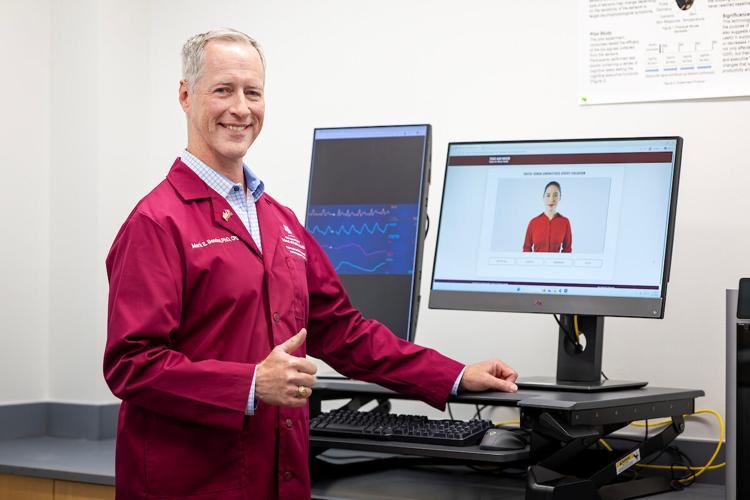
Dr. Mark Benden and his team have created a portfolio of agentic AI designed to converse, read facial expressions, capture biometrics and more, to support patients and clinicians at critical points in care.
Their early suite of empathetic AI assistants includes a medical receptionist that greets patients in more than 100 languages; an assessment tool aimed at detecting early signs of dementia; and a pediatric companion that helps children feel safe during intimidating procedures. These products have been licensed by Texas A&M to a startup company, Humanate, which is regularly expanding the portfolio.
“Conversational AI has matured to the point where it can follow context, remember relevant details and respond appropriately in real time,” Benden said. “Marrying that capability with a relatable on‑screen presence makes the interaction feel less transactional and more like a conversation — especially for people who struggle with forms, language barriers or the stress of the moment.”
People are also reading…
Together, these pilots point to a future where AI fills persistent gaps caused by workforce shortages and time pressures while giving people more time with their doctors. It’s breakthroughs like this that earned Texas A&M the Fast Company Innovation by Design 2026 award.
Friendly guide for pediatric patients
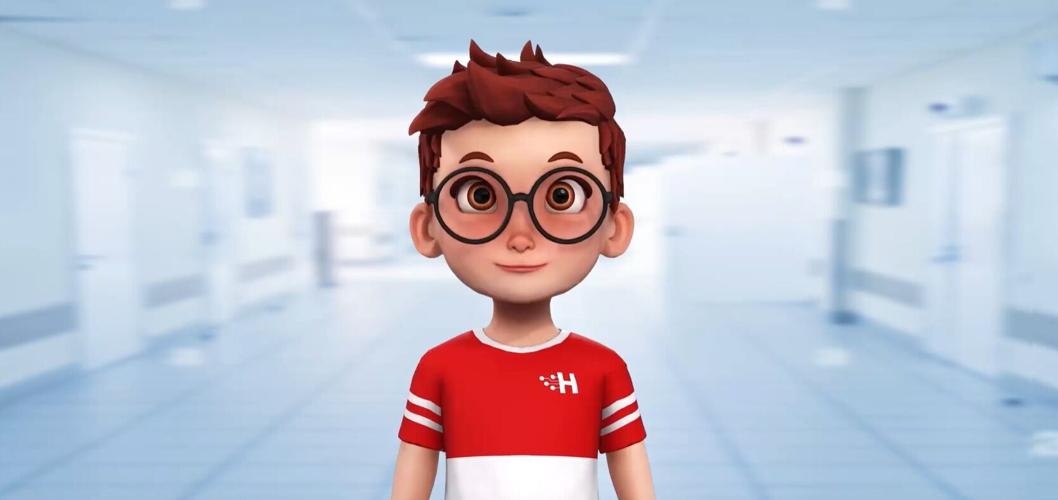
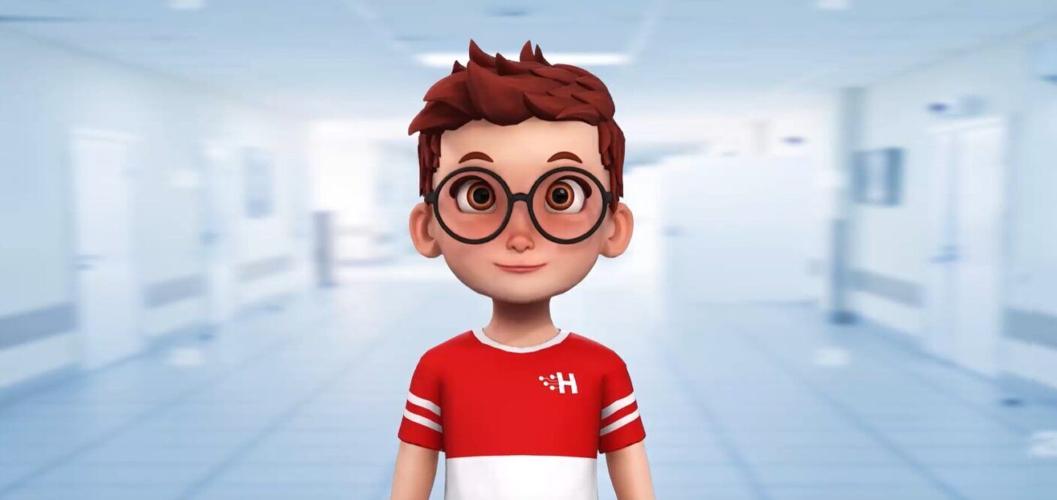
“Oliver” is a cartoon-style AI companion that reaches patients who often need the most reassurance: children undergoing medical tests and procedures.
In many settings, parents can’t be in the room. Oliver explains what’s happening in kid‑friendly terms, demonstrates breathing and distraction techniques, and stays with the child throughout the experience on a tablet, wall display or mobile device. The team’s prototype focuses on warmth, clarity and continuity, acting as a steady guide from waiting room to recovery.
“If the digital guide is friendly and calm, explains each step and celebrates their bravery, the whole experience changes,” said Benden, a professor in the School of Public Health and director of Center for Worker Health.
Early design sessions with Oliver suggest that a familiar face and consistent voice reduce confusion and help techs and nurses keep the procedure on track.
Early dementia detection
Behind Oliver’s welcoming smile is a broader strategy: apply the same digital‑human interface to thornier problems, where nuance greatly matters. One of those is earlier detection of dementia.
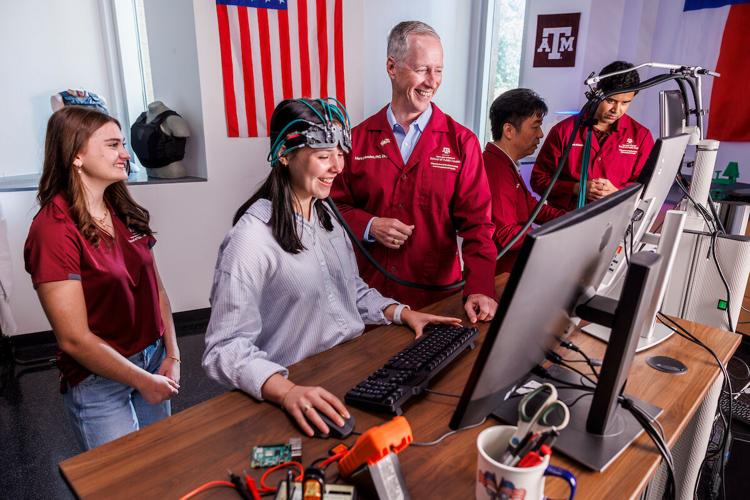
Benden’s group has developed a virtual interviewer that asks structured screening questions while observing facial expressions, noting response times and capturing biometrics using a patented computer mouse design to create a more objective risk profile for apathy, a known early indicator of neurodegenerative disease. The goal is a “Digital Apathy Signature” sensitive enough to pick up subtle changes over time and practical enough to use at scale in primary care, where precious minutes are limited.
“Dementia detection has relied on checklists and self‑reports for decades, and they’re helpful. But they miss the quiet, early changes,” Benden said. “A digital human can stay perfectly consistent, measure micro‑behaviors we can’t capture in a busy clinic, and flag patterns clinicians want to explore sooner.”
AI medical receptionist
The team’s most advanced prototype is an AI medical receptionist, also marketed by Humanate.
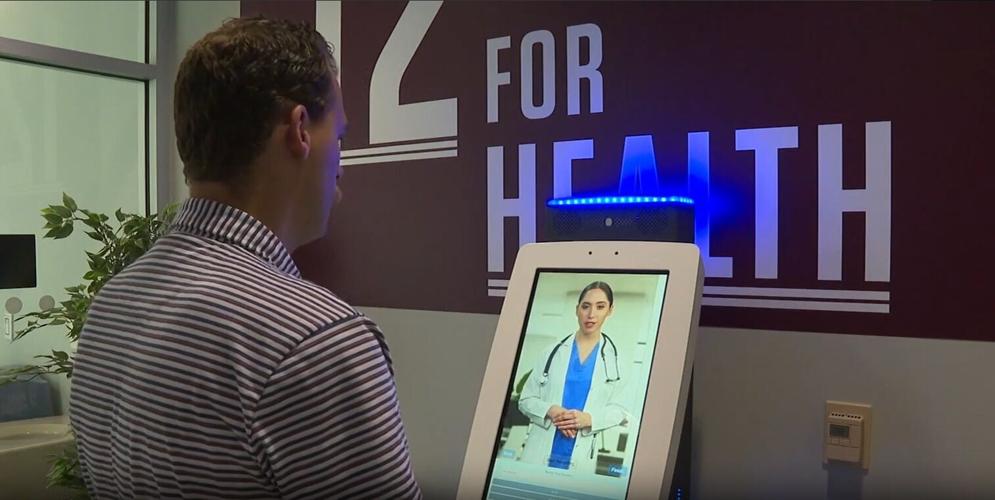
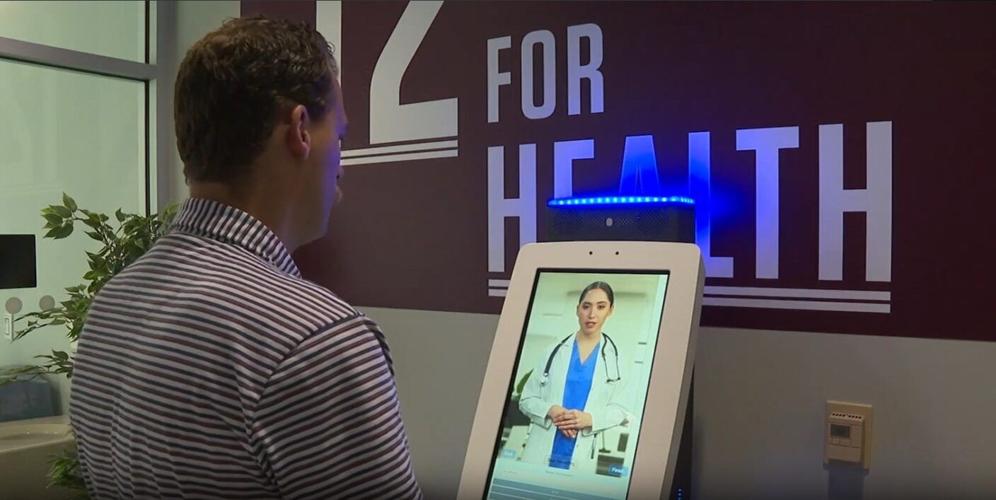
“Cassie” can appear on a computer monitor or kiosk, guiding visitors through check‑in, paperwork and records requests. Unlike a button‑based kiosk, Cassie recognizes facial cues, adjusts tone and language for each patient, and can even crack a friendly joke or adopt a serious cadence when the topic calls for it.
“We’re not building gadgets to replace people,” Benden said. “We’re building approachable teammates that take on repetitive tasks, so the humans on the team can focus on patient care. When the technology is used, patients should feel less rushed and more heard from the moment they walk in.”
Cassie’s multilingual ability (including American Sign Language) and 24/7 availability are aimed at easing front‑desk bottlenecks and freeing staff to focus on complex, human‑only tasks.
The technology is currently being tested at several places in Texas and Mississippi, where staff have dubbed it “Rita.” Benden notes positive reactions to Rita from patients so far. “We were especially surprised that the most glowing reviews came from older adults,” he said.
This is applied research: we build, deploy, listen and adjust. The north star is simple — technology that makes healthcare feel more human, not less.
Dr. Mark Benden
Professor
School of Public Health
Finding solutions to a healthcare crisis
Health systems face chronic staffing shortages that stretch front desks and care teams alike. The design team envisions agentic AI as gap‑fillers, not replacements for humans, engineered to pass along clean, secure information and escalate to a person whenever the situation warrants it.
“If we do our job right, these tools disappear into the background,” Benden said. “What patients notice is that they got in faster, felt understood and spent more of their visit with their clinician instead of juggling clipboards.”
Design choices are being refined by the team as prototypes roll out in real environments, with feedback loops from patients, clinicians and administrators. “This is applied research: we build, deploy, listen and adjust,” Benden said. “The north star is simple — technology that makes healthcare feel more human, not less.”


