
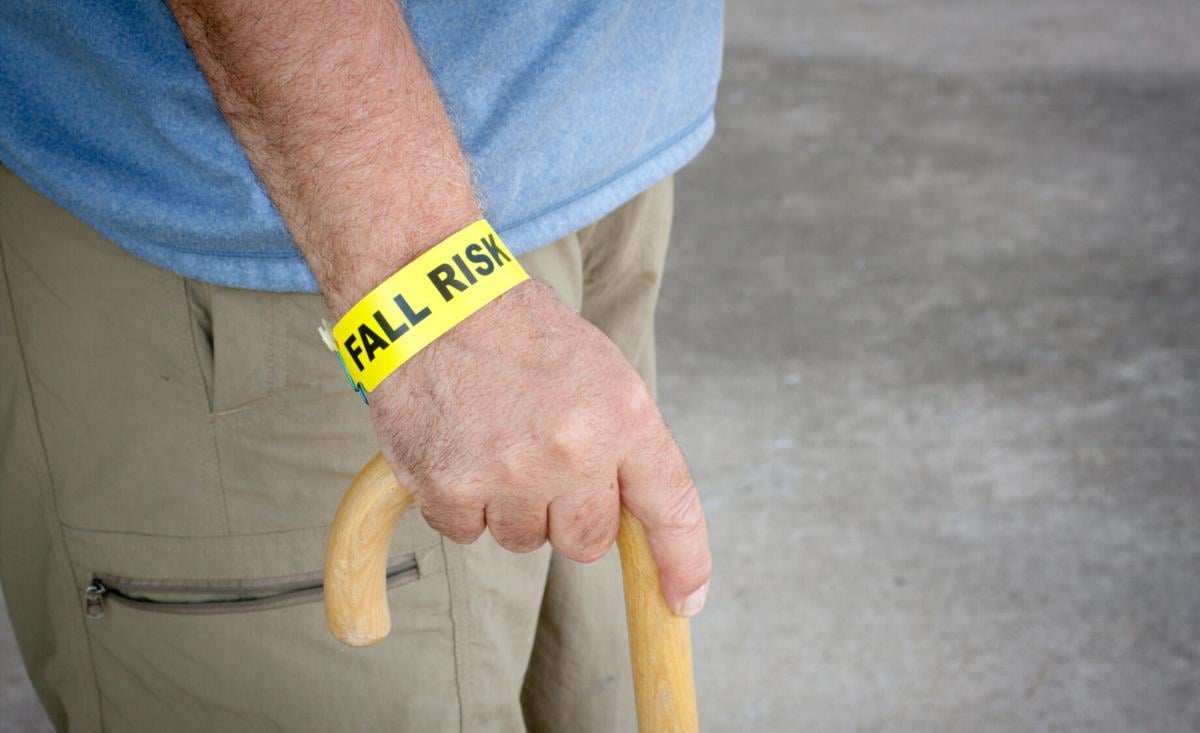
Older adults at risk of falling do not always receive the community support that could help them stay safe and independent. A new Texas A&M University initiative aims to close that gap by helping healthcare providers identify those at risk and connect them with local fall-prevention programs.
The Texas A&M Public Policy Research Institute will work with senior nutrition programs, healthcare providers and aging-services organizations across the state. The three-year project will offer workshops at 11 senior nutrition program sites and is expected to reach approximately 1,320 adults, with a particular focus on people ages 60 to 70.
Participants will learn practical ways to reduce their risk of falling, including improving strength and balance, managing medications, making homes safer and building confidence in daily activities. The project will also improve communication between medical providers and community organizations so older adults receive follow-up assistance after they are referred.
People are also reading…
The project, called the Texas STEADI-Stepping On Partnership Network, plans to offer 88 workshops over three years while training community workers to continue the effort.
The institute received $1.94 million from the U.S. Department of Health and Human Services’ Administration for Community Living to support the work through 2029.
The new project is the latest step in a seven-year effort to turn senior meal sites into community hubs where older Texans can also find health programs, social connections and other support.
“Each successive investment has allowed us to build on the relationships, experience, and infrastructure developed through earlier projects,” said Dr. Nandita Chaudhuri, a senior research scientist at the institute and the principal investigator on multiple healthy aging initiatives. “The new falls prevention award represents another step toward a more connected and sustainable community-based healthy aging system.”
Building community connections
The work began in 2019, when senior meal programs in Texas and across the country were experiencing declining participation. The institute partnered with the Texas Health and Human Services Commission to explore how meal sites could better reflect older adults’ preferences and provide more engaging dining experiences.
The Texas Congregate Meal Initiative, which operated from 2019 to 2022, tested ways to improve dining experiences and encourage participation. A follow-up project, Developing Innovative Nutrition Experiences in Texas, continued that work by updating dining spaces and strengthening the social aspects of shared meals.
The projects were built around a simple idea: Before meal sites could offer a broader range of health and wellness services, they needed to be places older adults wanted to visit and return to.
The institute later helped those sites add programs focused on diabetes, high blood pressure, physical activity, emotional well-being and other health needs. Another project introduced fall-prevention programs at rural senior nutrition sites, while a separate effort added activities addressing loneliness, depression, anxiety and social isolation.
“The needs of older adults do not exist in isolation,” Chaudhuri said. “Nutrition, chronic disease management, social connection, behavioral health and physical mobility are interconnected. Our work has evolved from improving congregate dining experiences to making these trusted community settings gateways to a broader range of wellness and behavioral health services.”
This project is supported by the Administration for Community Living (ACL), U.S. Department of Health and Human Services (HHS) as part of a financial assistance award totaling $1.94 million with 100 percent funding by ACL/HHS. The contents are those of the author(s) and do not necessarily represent the official views of, nor an endorsement, by ACL/HHS or the U.S. Government.