


The hospitality industry is advancing technologically faster than most realize.
Artificial intelligence and biometric scanners can analyze guest emotions, while behavioral analytics can reveal how people respond to experiences in real time. Virtual simulations can re-create high-pressure service scenarios.
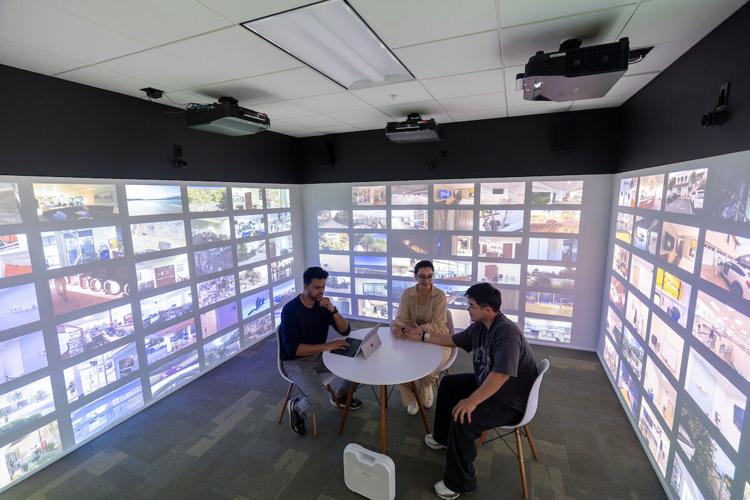
At Texas A&M University’s Arch H. Aplin III ’80 Department of Hospitality, Hotel Management and Tourism, students and researchers are using those technologies in the Digital Transformation Lab, a pioneering facility and one of the first of its kind in hospitality and tourism research. The lab gives students hands-on experience with tools reshaping the hospitality, hotel and tourism industries while creating new opportunities for industry collaboration and research.
People are also reading…
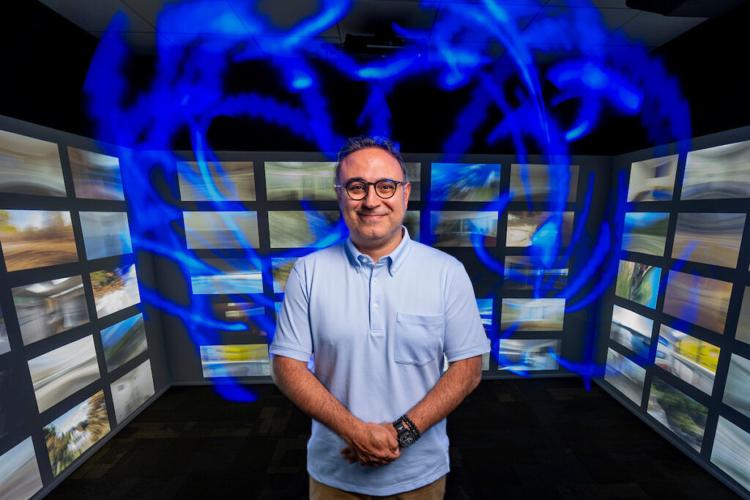
Lab director and professor Dr. Babak Taheri, who is also associate head of the department, designed the lab to find out how guests and employees experience service interactions. “Hospitality has always been about people,” Taheri said. “Our lab helps us better understand how people experience services and how innovation can make those experiences more meaningful.”
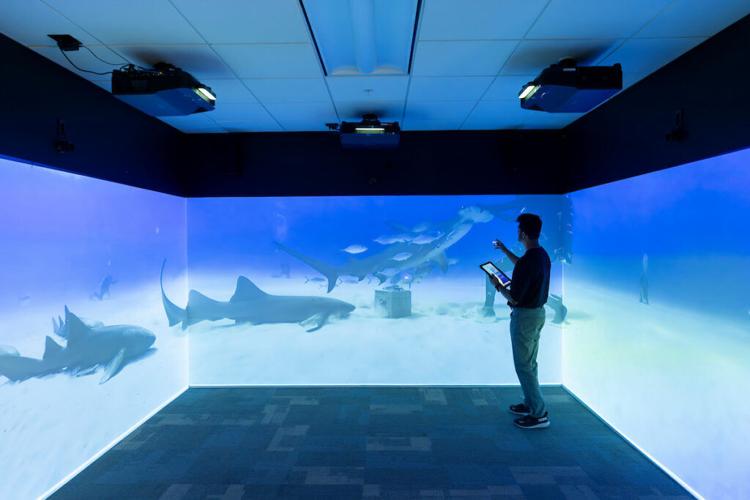
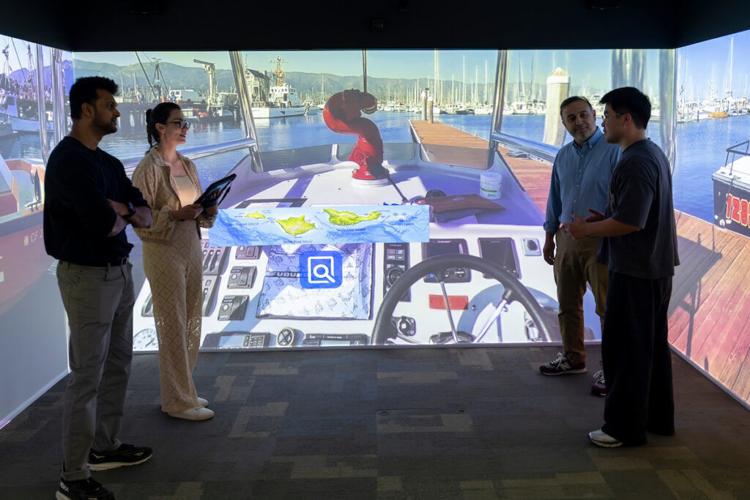
The lab combines biometric technology, artificial intelligence and immersive environments to capture insights that traditional surveys often miss. Researchers can use galvanic skin response sensors and AI-powered voice analysis software to measure physiological and emotional data in real time, helping uncover how people react during service experiences. At the center of the lab is the PRISM Virtual Simulation Room, an immersive environment that allows students to navigate realistic hospitality scenarios. For example, students can respond to a crowded hotel check-in desk, manage a restaurant during a service failure or work an emergency at a convention venue. Instructors can then repeat, adjust and debrief each scenario, creating learning opportunities that are difficult to replicate in traditional classroom settings or via research and rarely achievable through conventional workplace training.
Beyond student training and faculty research, the lab also functions as a research and development space for industry partners. Hotels, restaurants and tourism organizations can use the lab to test new service concepts, pilot emerging technologies and study how guests respond before committing to large-scale changes.
Taheri said the Aplin Department of Hospitality sits at the intersection of two priorities that define the industry’s current moment: the demand for highly trained human talent and the rapid adoption of AI-driven tools.


